Five ways Qcept helps marketing teams protect their brand and move faster
April 30, 2026 | 6 min read

If your team builds the strategy but the final deck never quite matches it, this post looks at where that gap usually comes from and how Qcept helps marketing teams close it without adding another vendor to manage.
Marketing teams carry the brand. That’s not just a job description. It’s a real, daily pressure. You’re responsible for how the company looks, sounds, and positions itself in every conversation with a client, a prospect, or a room full of people at an industry event. But here’s the thing: you rarely control the final output.
Sales mangled the deck. Leadership added three slides the night before the board meeting. The agency took two weeks and still missed the brief. The whitepaper your team spent a month writing got laid out in a template from 2019. This is the production gap that marketing teams live in. The brand is yours to protect, but the execution is never fully in your hands.
Qcept works with marketing teams to close that gap. Not by replacing your in-house team, and not by being another vendor that needs managing. By functioning as an extension of the team that already knows what good looks like and can execute accordingly.
Here’s where that actually shows up in practice.
1.
Brand-consistent templates that
your sales and leadership teams will actually use
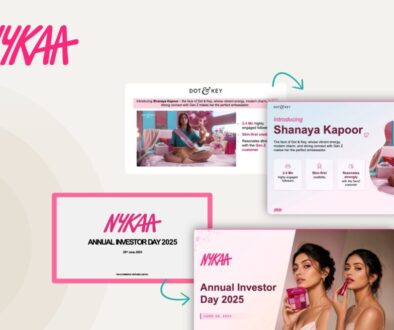
Most companies have brand guidelines. Very few have presentations that follow them. The gap isn’t bad intentions. It’s that the templates aren’t built to be used under pressure. When someone is putting together a client deck at 11pm before a morning meeting, they’re not going back to the brand portal to check hex codes. They’re using whatever slide is closest to what they need and making it work.
The result is brand drift. Inconsistent fonts. Mismatched color palettes. Slides that look like they came from three different companies. Marketing notices, but by then the deck has already been sent.
Qcept builds templates that are structured to work in real conditions. The layouts are flexible enough that people don’t feel restricted, but guided enough that the output stays on-brand without requiring constant supervision. When the template itself does the heavy lifting, compliance stops being a conversation and starts being the default.

I worked with Nitin and team on a number of rebrand and design projects over a 4 month period. The team was creative and gave us great ideas to update and elevate our new brand and multiple assets. Our team was new to this process and it was, at times, difficult to get responses or agreement but he handled it with professionalism. I would recommend working with Qcept and the team. And I look forward to working with them on upcoming projects this year.

Dawn Edwards DiLorenzo
2.
Sales enablement decks
that actually represent the brand
There is often a meaningful gap between the story marketing wants to tell and the one that sales tells in the room. Marketing builds the narrative. Sales adapts it, adjusts it, simplifies it, and sometimes strips it down to something that technically communicates the product but doesn’t communicate the brand at all.
This isn’t a people problem. It’s a material problem. If the enabling content isn’t structured clearly enough for someone to follow without a briefing, they’ll build their own version. That version rarely reflects the positioning and quality that marketing worked to establish.
Qcept helps marketing teams build sales decks that are genuinely usable. Not beautiful decks that sit in a folder, but structured, modular content that sales can adapt without losing the core of what the brand is trying to say. The goal is a deck that represents you accurately in a conversation you won’t be in.
3.
Campaign and launch
materials without the production backlog
Campaign timelines are optimistic by design. The strategy is ready, the copy is approved, the brief is locked. Then the design queue becomes the bottleneck. Your in-house team is stretched. The agency needs a week for revisions. The launch date doesn’t move.
Qcept’s quick-turnaround capability was built for exactly this kind of situation. Same-day and overnight delivery isn’t a special offering that costs extra. It’s just how the team operates, because the clients who work with Qcept are used to deadlines that don’t negotiate. For marketing teams managing campaign cycles, product launches, and event materials, the ability to send a brief and receive a production-ready file the next morning changes what’s actually achievable.
It also changes how you think about lead times. When you know execution is fast, you stop building enormous buffers into your plans. You can respond to things as they happen instead of trying to anticipate everything three weeks out.
I’ve had the pleasure of working closely with Nitin through our work at HFS Research, and I can confidently say he operates as far more than a typical partner, he’s a true extension of our team. Nitin has a deep understanding of our business and consistently brings proactive ideas and fresh thinking to the table. He doesn’t just execute; he challenges us to improve and helps move the work forward in meaningful ways. His responsiveness is unmatched, and he’s someone you can rely on without hesitation. You never have to chase him for updates—he’s already on top of it. When something needs to get done, Nitin has your back and follows through. What really stands out is his ownership and commitment. He’s dependable, solutions-oriented, and always looking for ways to elevate the work rather than settling for the status quo.
If you’re looking to work with someone who is reliable, proactive, and fully invested in your success, I highly recommend Nitin.

Aubrey Halverson
4.
Thought leadership design
that matches the quality of the writing
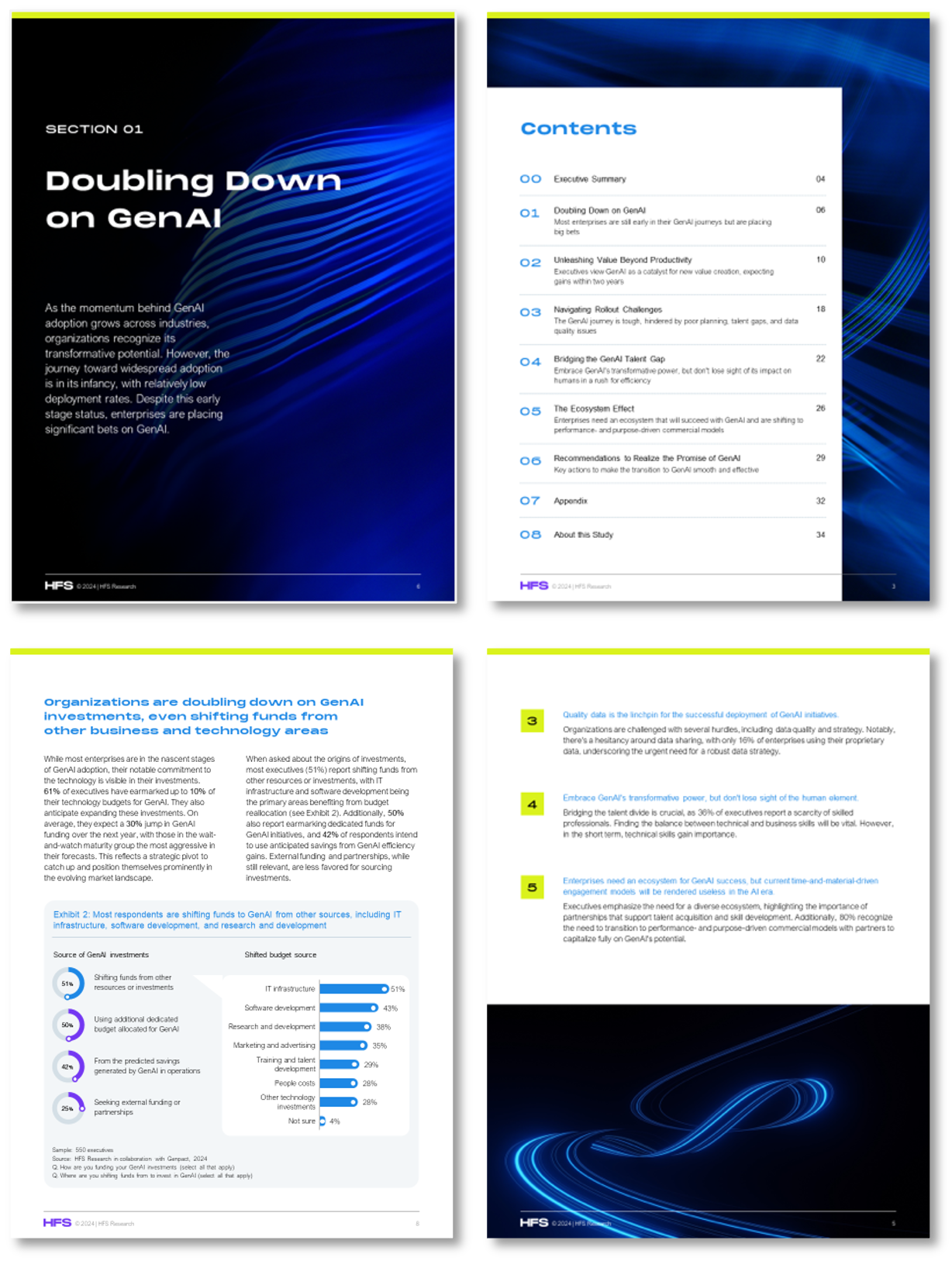
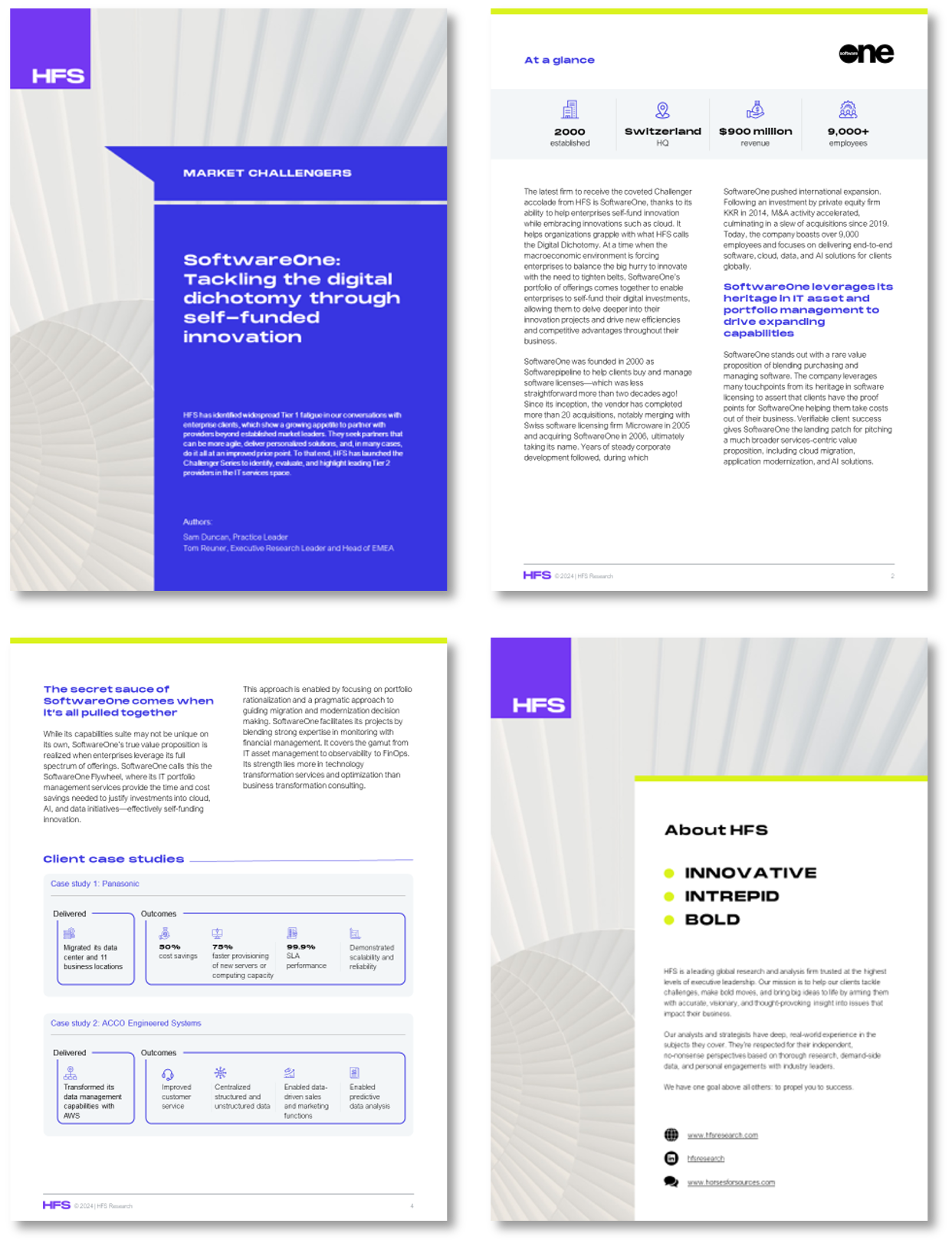
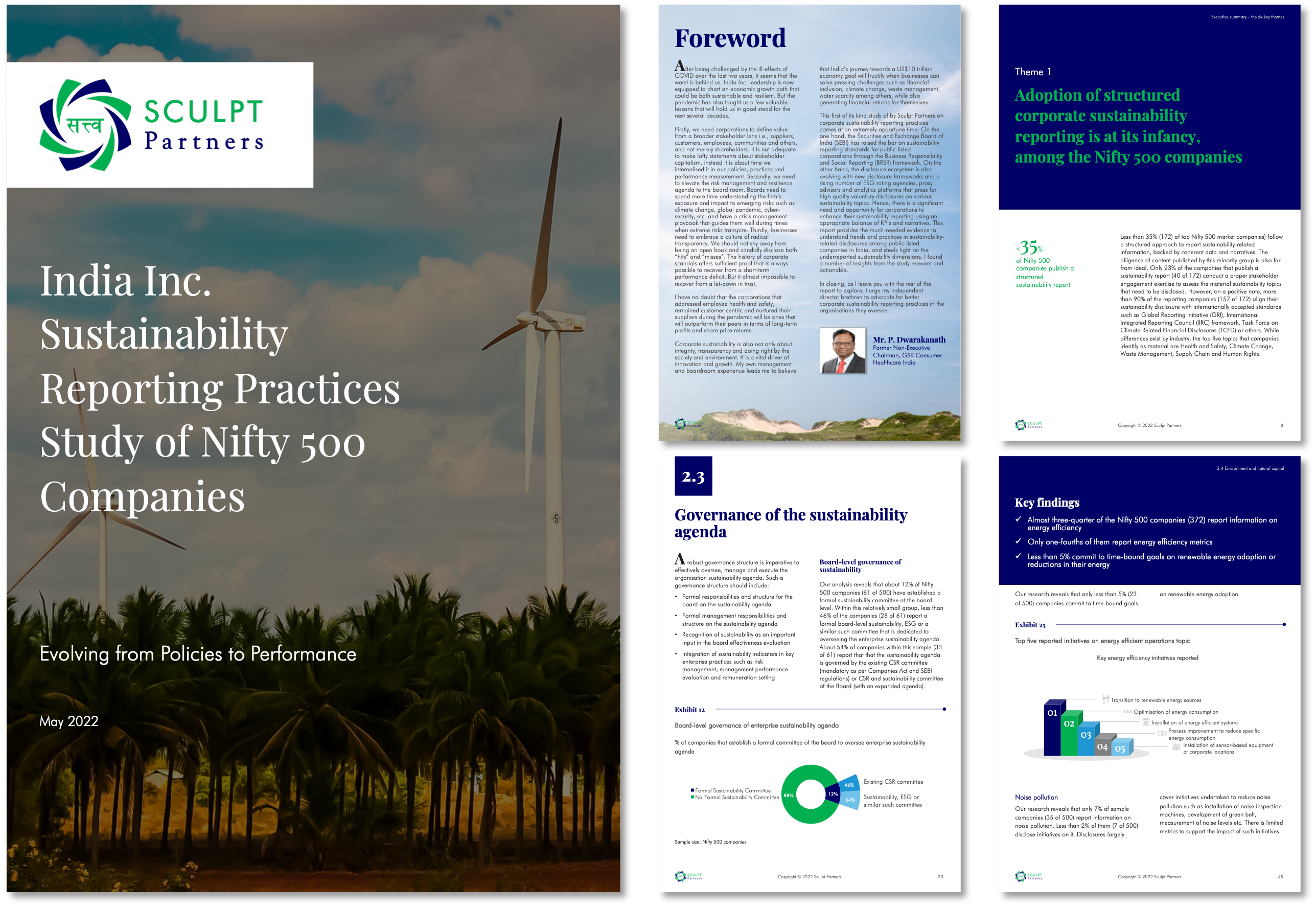
Marketing teams invest heavily in content. Whitepapers, research reports, insights pieces, LinkedIn articles, event presentations. A lot of this writing is genuinely good. The ideas are sharp, the research is solid, the argument is well structured. And then it gets designed in a way that doesn’t match any of that.
A report that reads at partner level shouldn’t look like it was formatted in an afternoon. The visual presentation of thought leadership content sends a signal before anyone reads a word. If the design feels generic or rushed, it undercuts the credibility of everything that follows.
Qcept’s background is in working with research and advisory firms where the content is dense, the audience is sophisticated, and the margin for looking unprepared is zero. That same capability applies directly to marketing content programs. We take what you’ve written and give it a visual layer that holds its own.
5.
Leadership and executive
presentations that marketing actually owns
Board decks, investor updates, all-hands presentations, keynote slides for conferences. These often land in marketing’s court because someone has to make them look right. They’re also, almost without exception, high-stakes and last-minute.
The stakes are obvious. A board deck that looks sloppy reflects on leadership. A keynote that’s visually incoherent loses the audience before the speaker hits the third slide. These materials represent the company at its most visible moments, and they get treated like an afterthought until 48 hours before they’re needed.
Qcept works well in exactly this window. The process is built for clarity under pressure: content in, structured output back, fast. Marketing teams don’t have to choose between getting it done and getting it right.
The conclusion: Real issue isn’t design. It’s the production gap.
Marketing teams don’t have a content problem. The strategy is usually solid. The brief is usually clear. The ideas are usually there. What breaks down is the distance between the plan and the final file. Between the story marketing built and the version that reached the client. Between the whitepaper that deserved to look premium and the one that shipped looking like everything else.
Qcept exists in that gap. If you want to see what that looks like in practice, start with a discovery call.


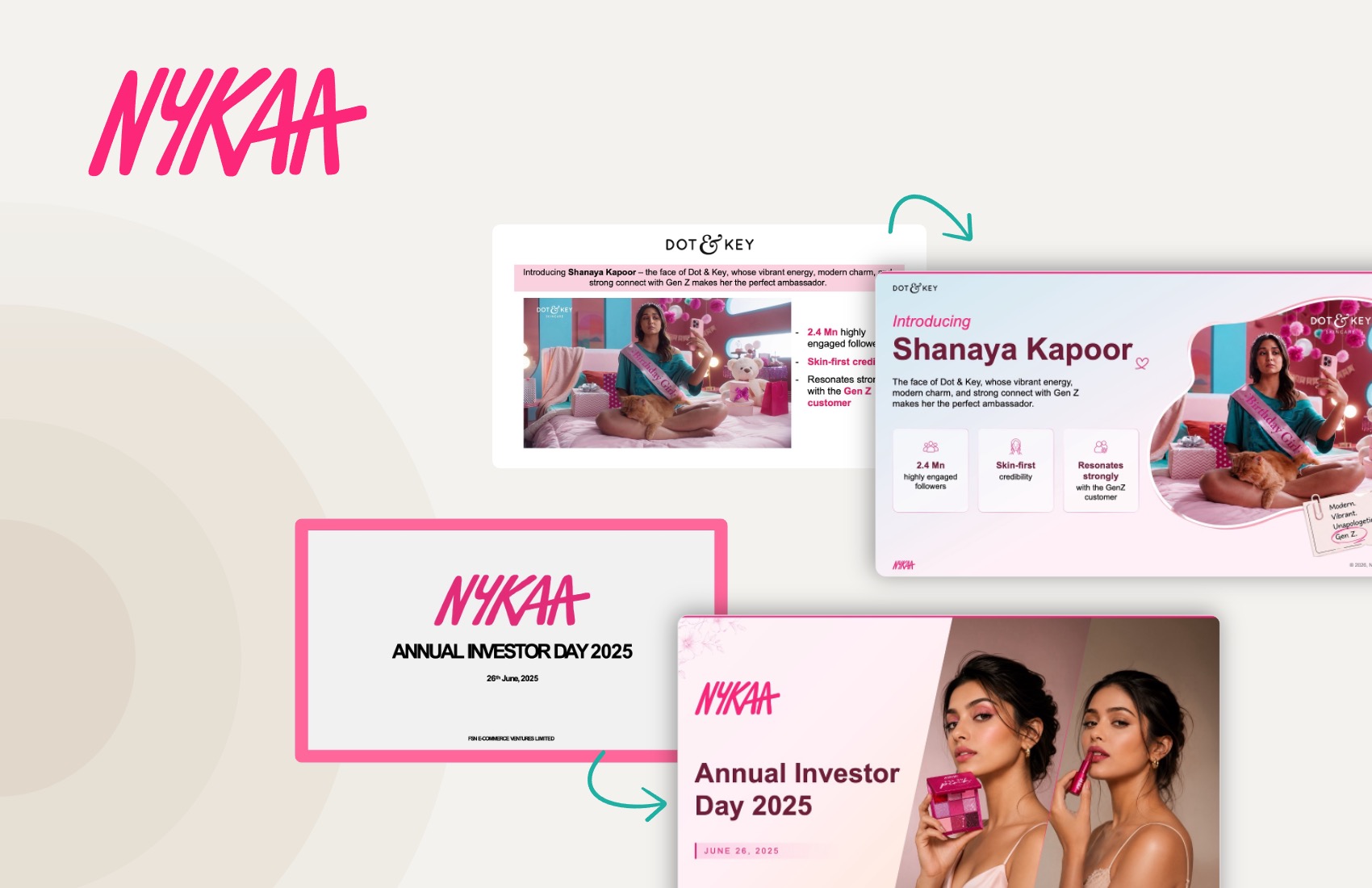
We use storytelling and design to build high impact presentations for leading brands
PowerPoint design
services and outsourcing
Enterprises, analysts, consultants
Investor pitches
and fundraising narrative
Founders, fund managers
Sales presentations, proposals, and collaterals
Sales & marketing teams
PowerPoint template and visual slide bank
Enterprises, advisory & research firms
CXO presentations
and thought leadership
IT-BPO services & consulting firms
Financial, ESG,
and annual reports
Financial services, large enterprises
Training – PowerPoint design and visualization
Sales team, analysts, consultants
Conference and event presentations
Keynote speakers, event managers